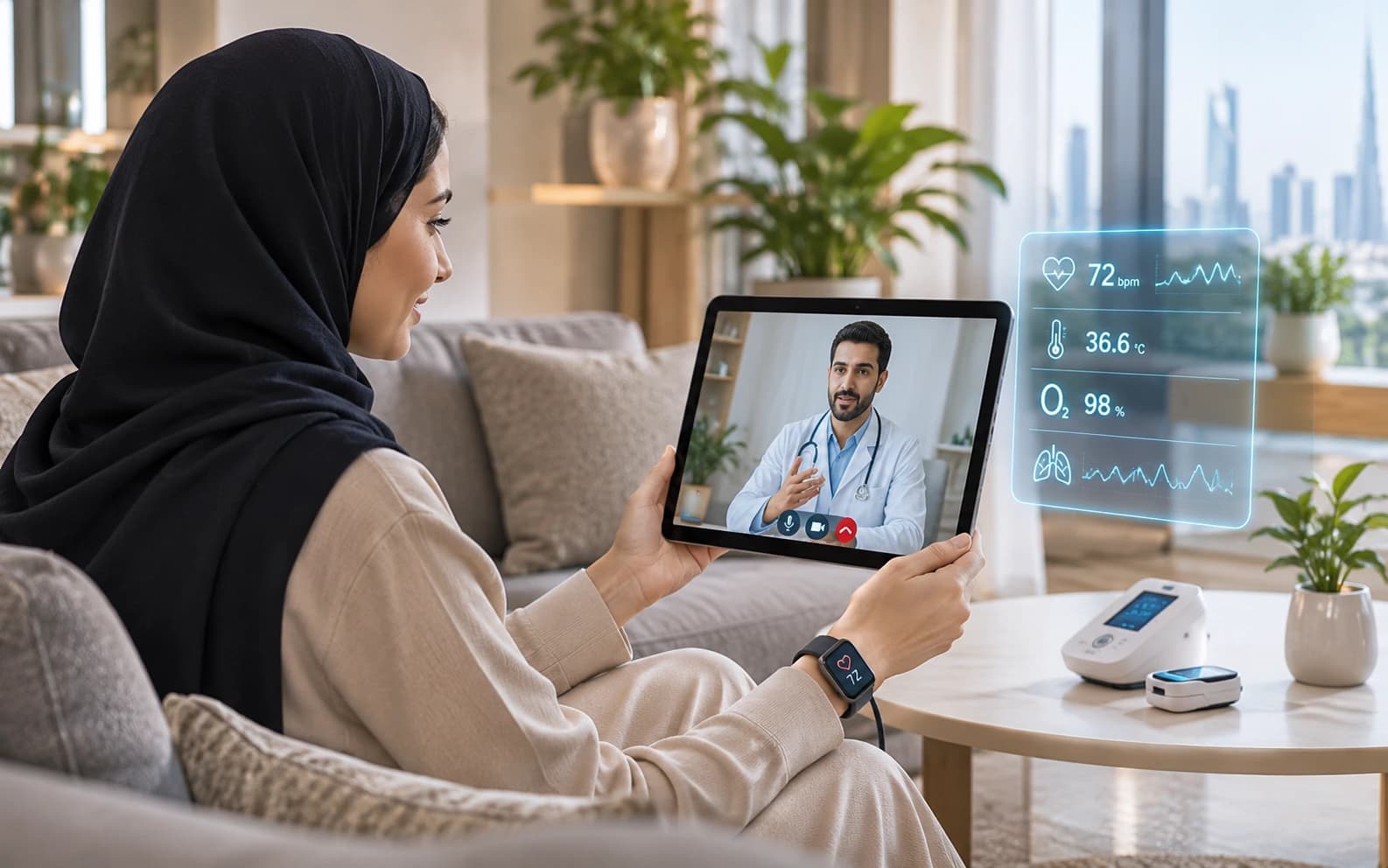
Healthcare is no longer limited to the traditional face-to-face consultation. Telemedicine allows clinical services to be delivered when the patient and healthcare professional are in different locations, using secure digital communication. It can include virtual consultations, remote clinical assessment and, in appropriate cases, remote monitoring.
The purpose is not to replace conventional healthcare. Rather, telemedicine provides another way of accessing and continuing care when an in-person visit is not necessary, practical or immediately available.
What Telemedicine Can Support
A virtual consultation can allow a qualified healthcare professional to discuss symptoms, review available medical information, provide follow-up care and determine whether the patient needs to attend a healthcare facility.
Telemedicine can be particularly useful for:
Follow-up consultations
Review of ongoing conditions
Medication-related discussions
Specialist consultations where appropriate
Post-treatment follow-up
Initial assessment and triage
Health advice and care coordination
The appropriate use depends on the patient's condition and the clinical judgement of the healthcare professional.
WHO describes telemedicine as a complement to face-to-face care rather than a complete replacement for it.
Remote Patient Monitoring
Remote care can extend beyond a video consultation.
Connected devices and digital platforms can allow selected health information to be collected while a patient remains at home. Depending on the condition and technology, this can include measurements such as blood pressure, glucose levels, heart rate or other relevant health indicators.
Healthcare professionals can use this information to monitor a patient's condition between traditional appointments and identify changes that may require further assessment.
Remote monitoring is particularly relevant to the broader development of connected healthcare, where care can continue beyond the physical boundaries of a hospital or clinic.
Improving Access to Specialist Care
One of the most important opportunities created by telemedicine is the ability to overcome geographical distance.
A patient does not necessarily need to travel to another city or country simply to have an initial specialist discussion. In appropriate cases, virtual communication can connect patients with healthcare professionals who may otherwise be difficult to access.
It can also support provider-to-provider consultation, allowing healthcare professionals in different locations to exchange information and seek specialist input.
For international healthcare, this can be particularly valuable before a patient travels for treatment.
Telemedicine Before International Treatment
For patients considering medical treatment abroad, a virtual consultation can sometimes help establish whether an international hospital or specialist is appropriate before travel.
Medical reports, imaging and other relevant information can be reviewed by the receiving medical team, followed by a virtual discussion where clinically appropriate.
This does not replace a physical examination when one is required. Instead, it can help determine the next appropriate step and reduce unnecessary travel before the patient's treatment pathway is clearer.
Benefits for Patients
When appropriately implemented, telemedicine can reduce the need for some physical visits, improve access and make follow-up care easier.
WHO identifies potential benefits including improved accessibility, shorter waiting times, better follow-up and management of health conditions and greater efficiency in healthcare delivery.
For patients who live far from specialist centres, have mobility limitations or require regular follow-up, remote care can provide a practical additional route to healthcare.
Where Telemedicine Has Limitations
Not every healthcare situation can be managed remotely.
A physical examination, diagnostic investigation, emergency intervention or procedure may require the patient to attend a healthcare facility.
There are also practical considerations around digital access, clinical appropriateness, privacy, regulation, reimbursement and the ability of healthcare professionals and patients to use the technology effectively.
For this reason, telemedicine works best when it is integrated into the wider healthcare system rather than treated as a replacement for traditional care.
Where Bluedot Fits
Bluedot Medical Assistance operates at the point where patients, healthcare professionals, hospitals and insurers need to remain connected.
Telemedicine can support this coordination by allowing healthcare professionals to communicate with patients or other medical teams without requiring everyone to be in the same location.
For Bluedot, this can be particularly relevant to:
Medical case coordination — supporting communication around an existing healthcare case.
Specialist access — helping coordinate appropriate specialist interaction where remote consultation is clinically suitable.
International healthcare — facilitating communication between patients and overseas healthcare providers before or during a medical journey.
Follow-up coordination — supporting communication after treatment when an in-person visit may not be immediately necessary.
Bluedot's role is to coordinate the healthcare journey; the treating healthcare professional determines whether telemedicine is clinically appropriate for the patient.
The Future of Remote Care
Telemedicine is becoming part of a broader shift towards connected healthcare, combining virtual consultations, remote monitoring, digital medical information and traditional clinical services.
The most effective model is unlikely to be entirely virtual or entirely physical. Instead, patients can move between digital and in-person care according to what their medical needs require.
For patients, that can mean greater access and convenience. For healthcare providers, better opportunities to connect across distance. For insurers and assistance companies, another tool for coordinating care.
The future of healthcare is not about removing the hospital from the journey. It is about knowing when the patient needs to be there — and when care can come to them.