Understanding Cholesterol & Cardiovascular Risk
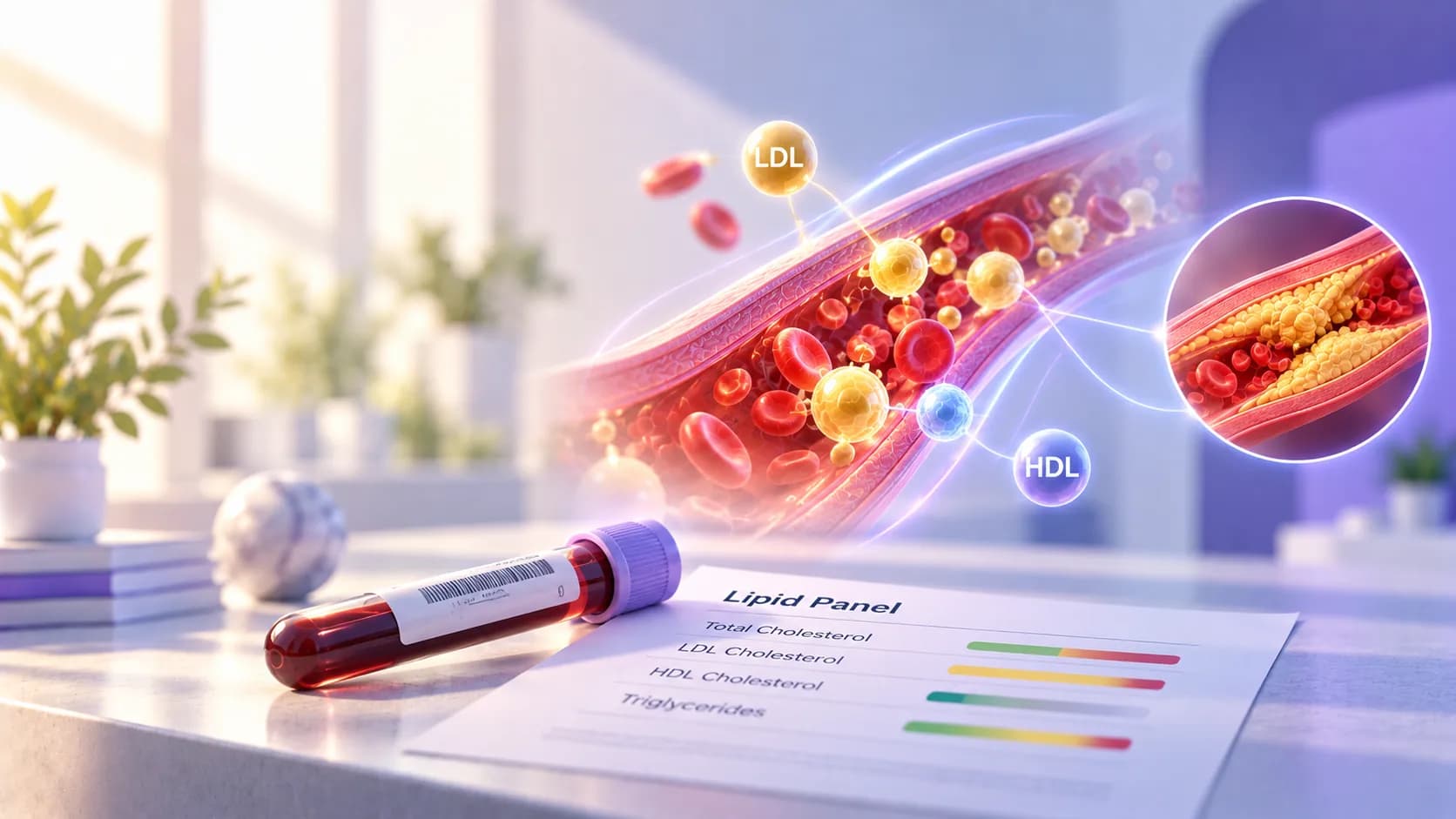
Cholesterol is a type of fat found in the blood that plays important roles in the body. However, an unhealthy balance of certain blood lipids can contribute to the development of plaque within the arteries.
Cholesterol screening can help healthcare professionals assess cardiovascular risk alongside factors such as blood pressure, diabetes, smoking, family history and lifestyle.
What Is Usually Tested?
A cholesterol test may measure different components of the blood lipid profile, including:
- Total cholesterol
- LDL cholesterol
- HDL cholesterol
- Triglycerides
The results are interpreted together rather than viewed as a single number.
Why Does Cholesterol Matter?
Elevated levels of certain lipids, particularly LDL cholesterol, can contribute to plaque formation in the arteries.
Over time, this can increase the risk of cardiovascular conditions. Understanding your cholesterol levels can therefore form part of a broader approach to heart health.
Who Should Consider Cholesterol Screening?
Your healthcare provider can advise when screening is appropriate based on your age, medical history, family history and cardiovascular risk factors.
People with existing cardiovascular conditions or certain metabolic conditions may require more regular monitoring.
What Happens If Cholesterol Is Elevated?
Management depends on the individual's overall cardiovascular risk.
A healthcare professional may recommend lifestyle changes, monitoring or medication where clinically appropriate.
The goal is not simply to change one laboratory number but to manage the individual's overall cardiovascular risk.
Building a Preventive Health Plan
Cholesterol assessment is most useful when considered alongside other health indicators such as blood pressure, blood glucose, weight and lifestyle factors.
A comprehensive health assessment can help bring these factors together and provide a clearer picture of an individual's health.
Explore Comprehensive Health Checks