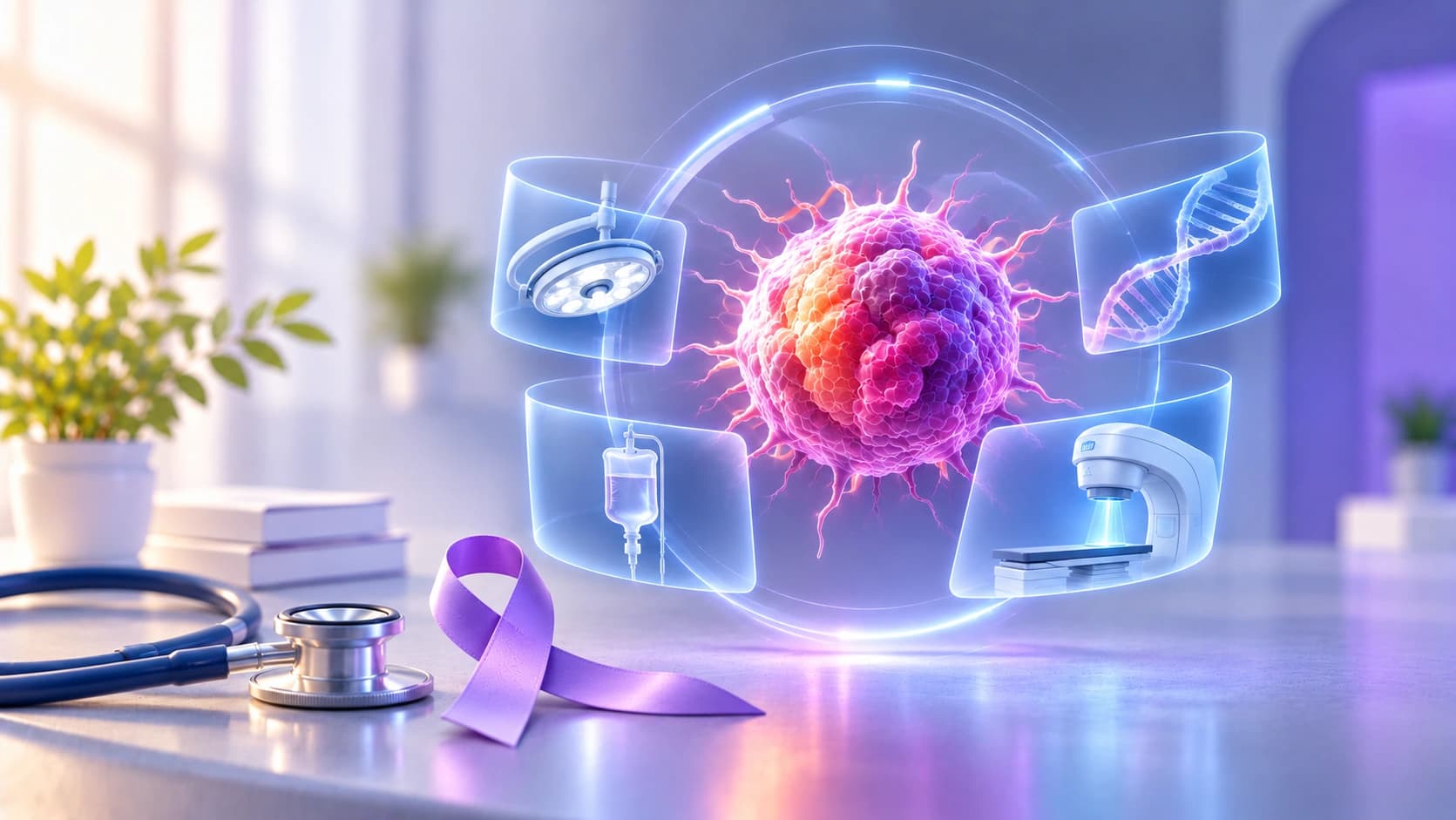
Understanding Cancer Treatment & Care
Cancer treatment is tailored to the type and characteristics of the cancer, its stage, location and the patient's overall health.
Treatment may involve one approach or a combination of different therapies, depending on the individual diagnosis.
Cancer Diagnosis
Diagnosis typically begins with clinical assessment and appropriate investigations.
Depending on the suspected cancer, evaluation may involve:
- Imaging
- Laboratory investigations
- Biopsy
- Pathology
- Molecular or genetic testing where appropriate
These investigations help the medical team establish the diagnosis and determine the most appropriate treatment pathway.
Surgical Oncology
Surgery may be recommended when a tumour can be removed safely and when surgery forms part of the appropriate treatment strategy.
The type and extent of surgery depend on:
- Cancer type
- Tumour location
- Tumour size
- Stage of disease
- Overall patient health
- Chemotherapy
Chemotherapy uses medicines to treat cancer cells. It may be used before surgery, after surgery or as part of treatment for advanced disease.
The specific medicines, treatment schedule and number of cycles depend on the individual cancer diagnosis.
Radiation Therapy
Radiation therapy uses controlled doses of radiation to target cancer cells.
It may be used as a primary treatment or alongside surgery and systemic treatments depending on the type and stage of cancer.
Other Oncology Treatments
Depending on the cancer, specialists may consider additional treatment approaches, including targeted therapies, immunotherapy or hormone-based treatments.
The appropriate treatment is determined by the patient's cancer characteristics and specialist assessment.
Recovery & Follow-Up
Cancer treatment may involve ongoing monitoring after the initial treatment.
Follow-up can include:
- Clinical reviews
- Imaging
- Laboratory testing
- Monitoring for treatment response
- Management of treatment effects
- Rehabilitation or supportive care where appropriate
- Questions to Discuss With Your Oncology Team
Patients may wish to discuss:
What type and stage of cancer do I have?
What treatment options are available?
Important: This guide provides general educational information and does not replace advice from a qualified oncology team.