Understanding the Condition, Diagnosis & Treatment
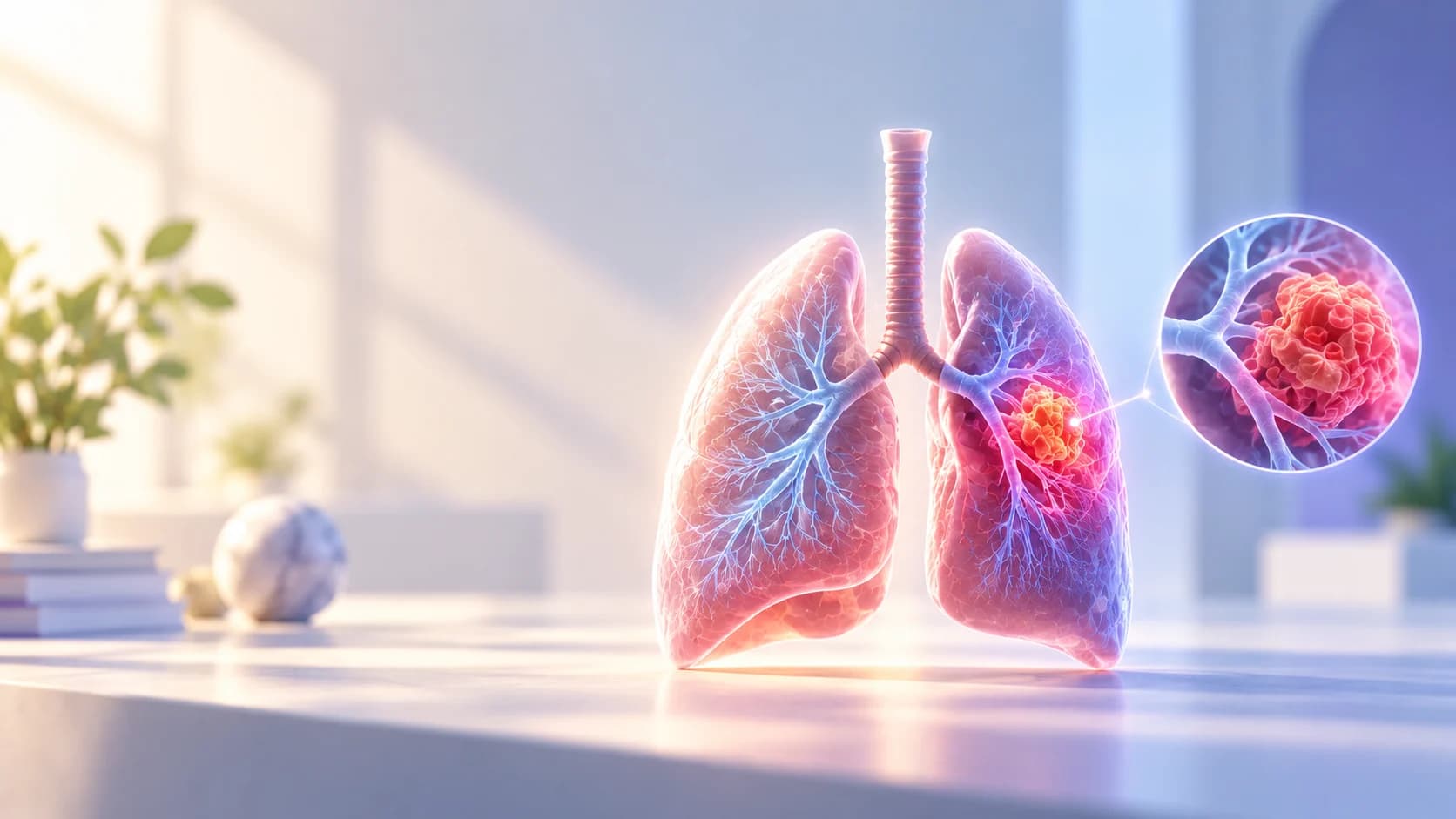
Lung cancer develops when abnormal cells in the lungs grow uncontrollably and form a tumour. It is a complex condition with different types and stages, and treatment depends on the individual diagnosis and how far the cancer has progressed.
Early assessment of persistent or concerning symptoms can help doctors determine the appropriate investigations and treatment pathway.
Understanding Lung Cancer
Lung cancer can develop in different parts of the lungs and is broadly classified into non-small cell lung cancer (NSCLC) and small cell lung cancer (SCLC).
The condition can affect people differently. Some patients may have noticeable symptoms, while others may not experience significant symptoms until the disease has progressed.
A diagnosis requires specialist assessment and appropriate investigations to understand the type, location and extent of the cancer.
Signs & Symptoms
Symptoms can vary depending on the type and stage of lung cancer.
Common symptoms may include:
- A persistent or worsening cough
- Coughing up blood
- Shortness of breath
- Chest pain or discomfort
- Persistent hoarseness
- Recurrent chest infections
- Unexplained weight loss
- Persistent tiredness or weakness
- Loss of appetite
These symptoms can also occur with conditions that are not cancer. Persistent or unexplained symptoms should be assessed by a qualified healthcare professional.
How Is Lung Cancer Diagnosed?
Diagnosis usually begins with a medical assessment and review of the patient's symptoms and medical history.
Doctors may recommend imaging such as a chest X-ray or CT scan to identify abnormalities in the lungs.
If an abnormal area is identified, further investigations may be required. These can include additional imaging, bronchoscopy or a biopsy, where tissue is examined to determine whether cancer cells are present.
Additional tests may be performed to identify the cancer type, stage and specific characteristics that can help guide treatment.
Treatment Options
Treatment depends on the type and stage of lung cancer, the location of the tumour, the patient's overall health and other individual factors.
Depending on the diagnosis, treatment may include:
Surgery
Surgery may be considered when the cancer can be removed and the patient is medically suitable for an operation.
Radiation Therapy
Radiation uses high-energy treatment to target cancer cells and may be used alone or alongside other treatments.
Chemotherapy
Medication is used to destroy or control cancer cells and may be recommended at different stages of treatment.
Targeted Therapy
For some cancers, specific molecular or genetic characteristics can help determine whether targeted medicines may be appropriate.
Immunotherapy
Some lung cancers may respond to medicines that help the immune system recognise and attack cancer cells.
The most appropriate treatment or combination of treatments should be determined by the patient's specialist team following a complete clinical assessment.
Why Specialist Care Matters
Lung cancer treatment often involves several areas of specialist expertise, which may include oncology, pulmonology, thoracic surgery, radiology and pathology.
A multidisciplinary approach allows the patient's diagnosis, test results and treatment options to be considered together when developing an individual treatment plan.
For patients considering treatment locally or internationally, choosing an experienced cancer centre can be an important part of the treatment decision.
When Should You Consider a Second Medical Opinion?
A second medical opinion may be valuable after a lung cancer diagnosis or before starting a major treatment, particularly when the treatment pathway is complex.
An independent specialist review can help patients and families better understand:
- The diagnosis
- Cancer stage
- Recommended treatment
- Available treatment options
- Whether additional investigations may be appropriate
- Potential treatment pathways
A second opinion provides another clinical perspective and should be considered alongside advice from the treating medical team.
Request a Second Medical OpinionYour Treatment Journey
A lung cancer diagnosis can involve several stages, from initial investigation and diagnosis through treatment, monitoring and follow-up.
Bluedot Medical Assistance can support patients exploring specialist care by coordinating medical documentation, connecting cases with appropriate healthcare providers and helping navigate treatment options when international treatment is being considered.
For patients requiring treatment outside their home country, our team can also support the wider healthcare journey, including hospital coordination and international patient arrangements.
Explore Treatment OptionsFrequently Asked Questions
Is lung cancer treatable?
Treatment options are available for lung cancer, but the appropriate approach depends on the type, stage and individual characteristics of the disease.
What are the main types of lung cancer?
The two main categories are non-small cell lung cancer and small cell lung cancer. Each can behave differently and may require different treatment approaches.
Does lung cancer always require surgery?
No. Surgery is appropriate for some patients, but treatment may instead involve radiation therapy, chemotherapy, targeted therapy, immunotherapy or a combination of treatments depending on the diagnosis.
Can lung cancer be detected early?
Some lung cancers may be detected before symptoms develop through appropriate screening in people who meet specific risk criteria. Screening recommendations should be discussed with a qualified healthcare professional.
Should I get a second medical opinion?
Patients may consider an independent specialist opinion after a cancer diagnosis or before a major treatment decision, particularly when the diagnosis or treatment pathway is complex.