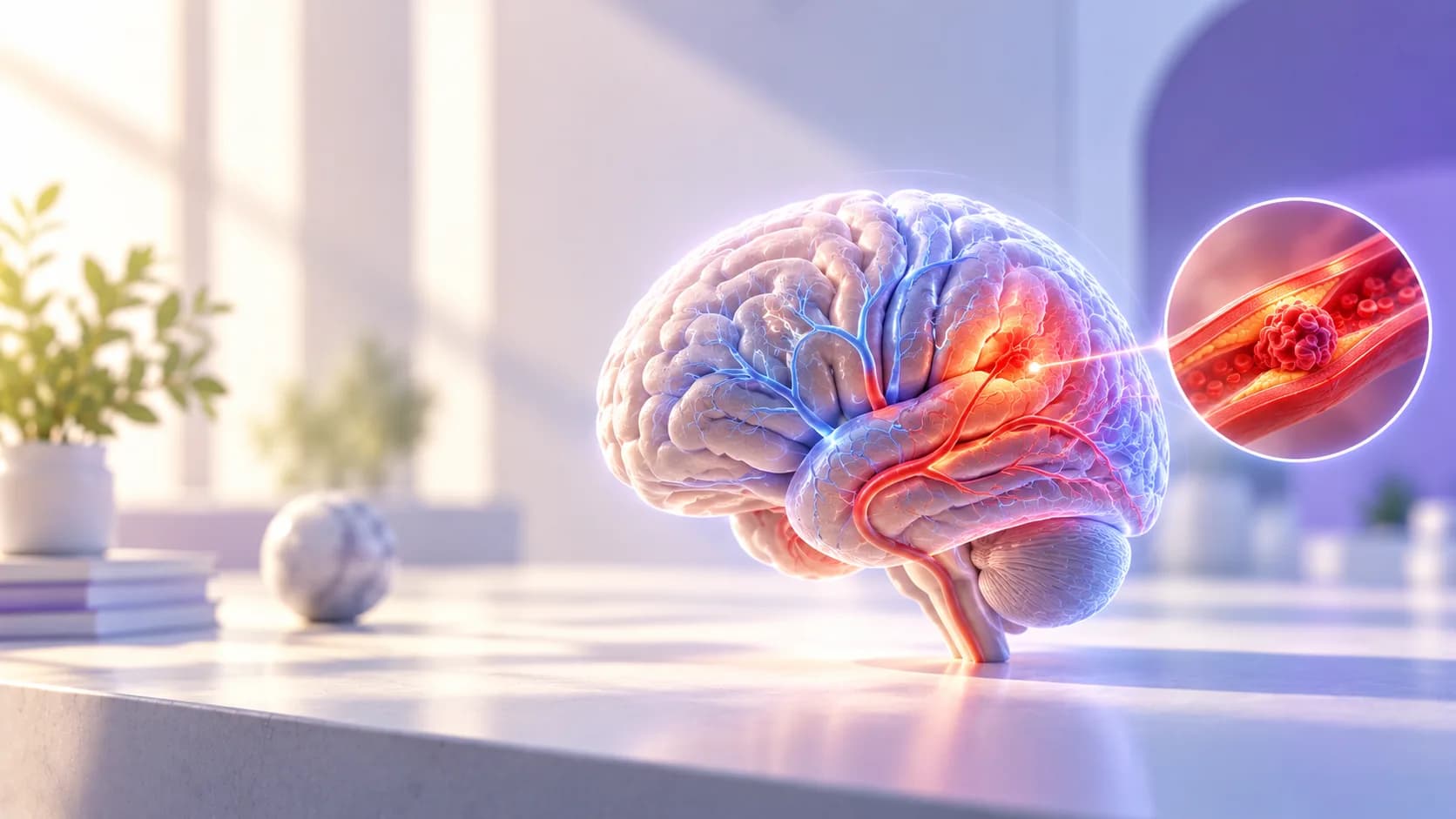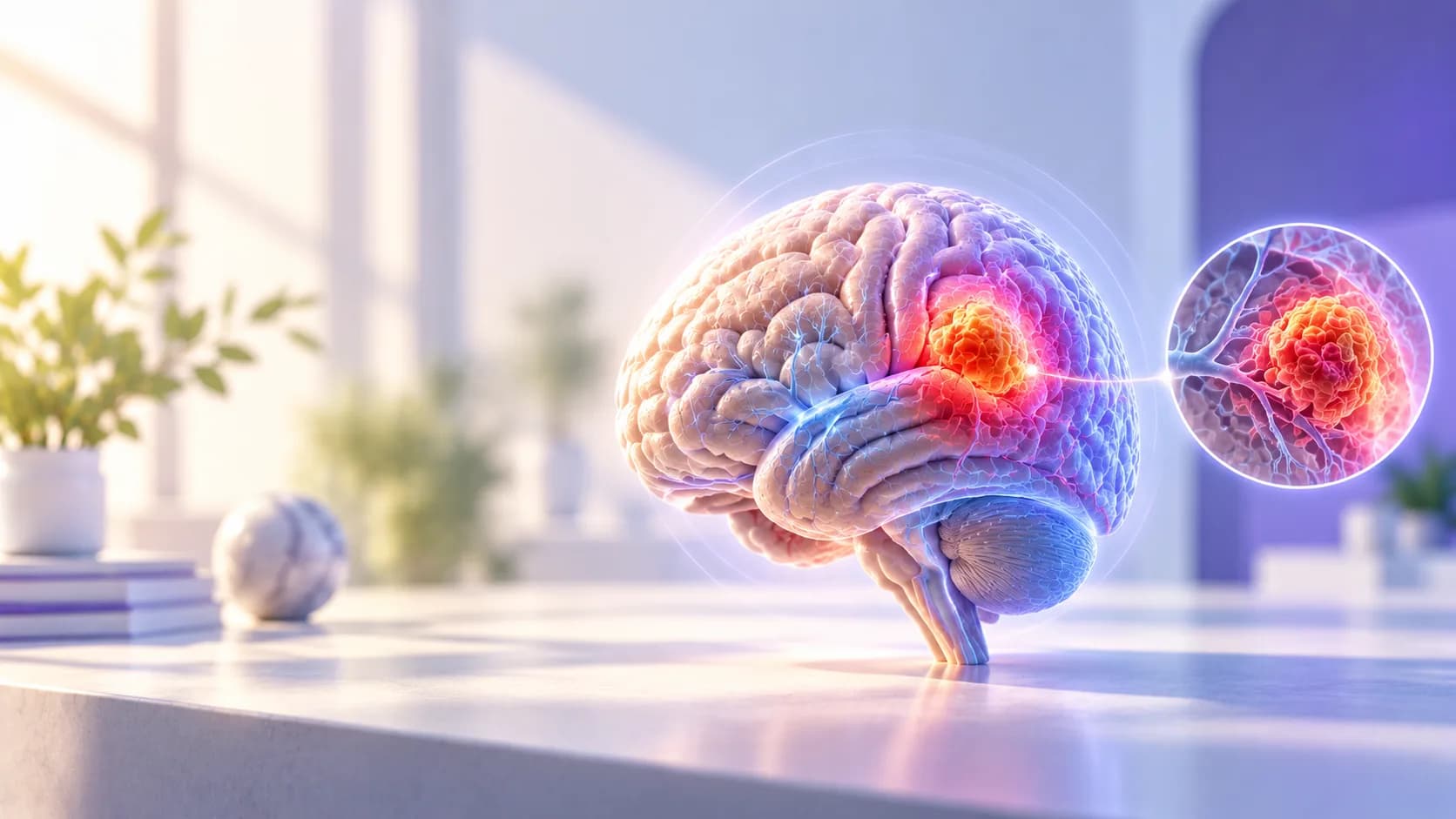
Understanding Brain Tumours, Diagnosis & Treatment
A brain tumour is an abnormal growth of cells within the brain or surrounding structures. Brain tumours can be benign or malignant, and their effects depend on their location, size, type and rate of growth.
Because the brain controls many essential functions, diagnosis and treatment often require coordinated care from multiple specialists.
Understanding the Condition
Brain tumours vary considerably. Some grow slowly and may be monitored, while others can grow more quickly and require active treatment.
Symptoms depend largely on where the tumour is located and how it affects surrounding brain tissue.
Possible Signs & Symptoms
Symptoms can include:
- Persistent or worsening headaches
- Seizures
- Changes in vision
- Difficulty with speech
- Changes in balance or coordination
- Weakness or numbness
- Changes in memory or concentration
- Personality or behavioural changes
- Nausea or vomiting in some cases
These symptoms can have many causes and do not necessarily indicate a brain tumour. Persistent or unexplained symptoms should be medically assessed.
How Are Brain Tumours Diagnosed?
Assessment may include neurological examination and brain imaging such as MRI or CT.
In some cases, a biopsy or surgical tissue sample is required to determine the tumour type and characteristics.
Additional testing may help specialists understand the tumour's behaviour and identify the most appropriate treatment pathway.
Treatment Options
Treatment depends on the tumour type, location, size, growth pattern and the patient's overall health.
Depending on the diagnosis, treatment may include:
- Monitoring and observation
- Surgery
- Radiation therapy
- Chemotherapy
- Targeted treatments
- Other specialist therapies
Some patients may require a combination of treatments coordinated by a multidisciplinary team.
The Role of Neurosurgery
When surgery is appropriate, the objective may be to remove as much of the tumour as safely possible while protecting important brain functions.
The surgical approach depends on the tumour's location and characteristics and should be determined by an experienced neurosurgical team.
When Should You Consider a Second Medical Opinion?
A second opinion can be particularly valuable when brain surgery has been recommended or when the diagnosis or treatment pathway is complex.
A specialist review can provide another perspective on:
- The diagnosis
- Imaging and pathology
- Surgical recommendations
- Treatment alternatives
- The overall treatment pathway
International Specialist Care
For patients considering specialist treatment internationally, Bluedot Medical Assistance can coordinate medical documentation with appropriate neurosurgical, neurological and oncology centres within its healthcare network.
Our team can support the coordination between patients, families, hospitals and specialists throughout the treatment journey.
Explore International TreatmentFrequently Asked Questions
Does every brain tumour require surgery?
No. Treatment depends on the type, size, location and behaviour of the tumour. Some tumours may be monitored, while others require active treatment.
Are all brain tumours cancerous?
No. Brain tumours can be benign or malignant. A specialist assessment and appropriate investigations are required to determine the diagnosis.
Should I seek a second opinion before brain surgery?
Patients and families may consider an independent specialist opinion before major neurosurgical treatment, particularly when the diagnosis or recommended procedure is complex.
Related Guides
- Stroke
- Neurological Conditions
- Neurosurgery
- Cancer Care
- Second Medical Opinion
- Rehabilitation