Understanding Stroke, Treatment & Recovery
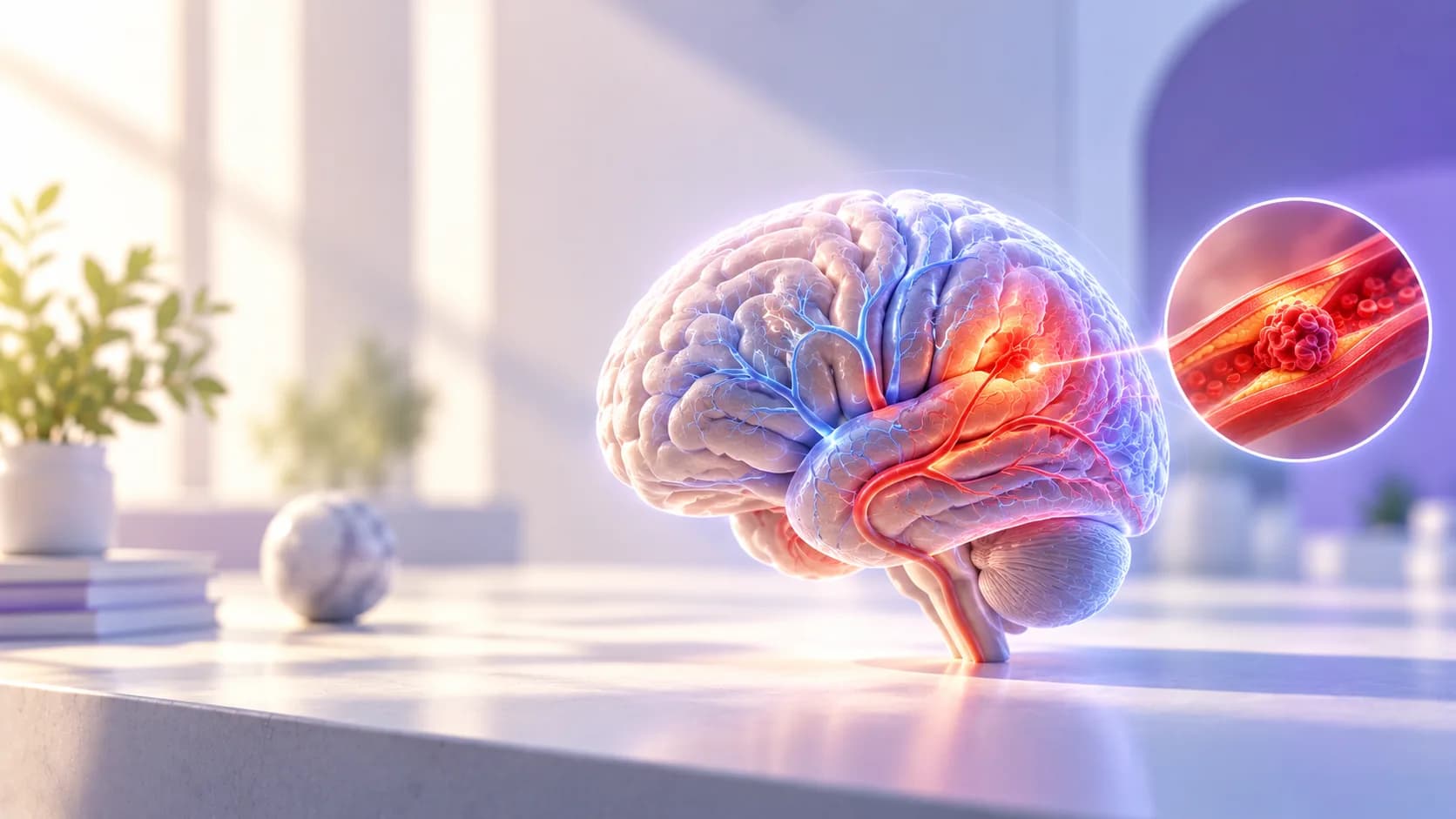
A stroke occurs when blood flow to part of the brain is interrupted or when bleeding occurs within or around the brain. Because brain tissue can be damaged quickly, stroke is a medical emergency that requires immediate assessment and treatment.
Understanding the warning signs and acting quickly can make an important difference to the patient's treatment and recovery.
Recognising the Warning Signs
Stroke symptoms usually appear suddenly and may include:
- Weakness or numbness, particularly on one side of the body
- Difficulty speaking or understanding speech
- Facial drooping
- Sudden vision problems
- Difficulty walking or maintaining balance
- Sudden severe headache without an obvious cause
If stroke is suspected, emergency medical attention should be sought immediately.
How Is Stroke Diagnosed?
Doctors assess the patient's symptoms and medical history and may use brain imaging, such as CT or MRI, to determine whether the stroke is caused by a blocked blood vessel or bleeding.
Additional investigations may be required to identify the underlying cause and guide future treatment.
Treatment Options
Treatment depends on the type of stroke, how quickly the patient reaches medical care and their individual clinical condition.
For an ischaemic stroke, treatment may include medicines designed to restore blood flow or, in selected cases, procedures to remove a blood clot.
For a haemorrhagic stroke, treatment focuses on controlling bleeding, pressure within the brain and the underlying cause. Some patients may require neurosurgical intervention.
Recovery & Rehabilitation
Recovery following a stroke varies considerably between patients.
Rehabilitation may involve:
- Physiotherapy
- Occupational therapy
- Speech and language therapy
- Mobility rehabilitation
- Cognitive rehabilitation
- Support with everyday activities
The rehabilitation programme is tailored to the patient's needs and progress.
When Should You Consider a Second Medical Opinion?
A second specialist opinion may be considered when the diagnosis, treatment plan or long-term rehabilitation pathway is complex.
An independent review can help patients and families better understand the diagnosis, treatment options and expected recovery pathway.
Request a Second Medical OpinionInternational Stroke Care
For patients requiring specialist treatment, Bluedot Medical Assistance can coordinate medical documentation with appropriate hospitals and neurological or neurosurgical specialists within its healthcare network.
Where international treatment is being considered, our team can support hospital coordination and the wider patient journey.
Explore International Treatment